Manual water meter reading is familiar: an operator visits the meter, notes the totalizer value, writes it in a logbook, and later the data is entered into a report. For small sites, this may look acceptable. For industries, borewells, utilities, and compliance-driven water systems, it quickly becomes unreliable.
Flow meter telemetry replaces manual reading with automatic data collection and remote reporting. This article compares both approaches and explains why industries are moving to telemetry.
What is manual water meter reading?
Manual reading means a person physically checks the meter display and records the value.
Usually this includes:
- Date and time
- Meter totalizer value
- Flow rate, if required
- Pump status, if observed
- Operator name or signature
- Remarks for abnormal conditions
The process is easy to understand, but it depends heavily on discipline, timing, and accurate entry.
What is flow meter telemetry?
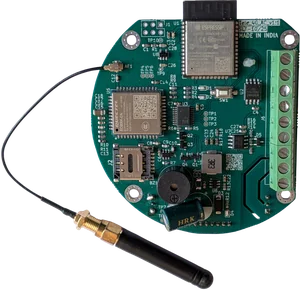
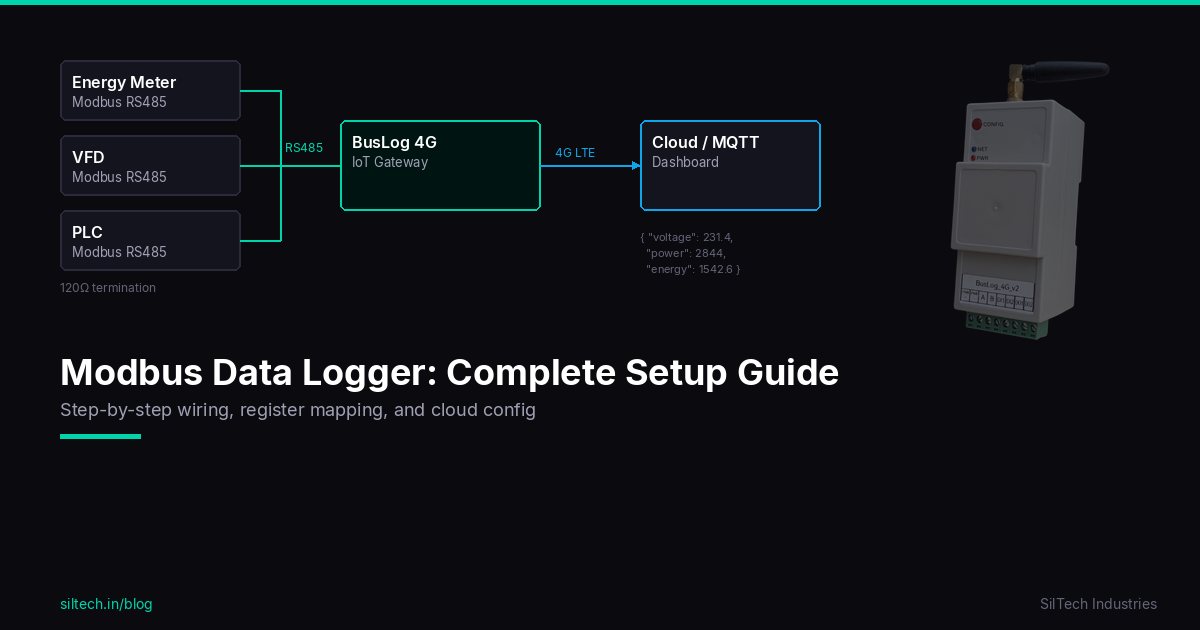
Flow meter telemetry uses a digital meter and a communication device to send readings automatically to a cloud dashboard.
A typical system includes:
- Flow meter with Modbus RS485 output
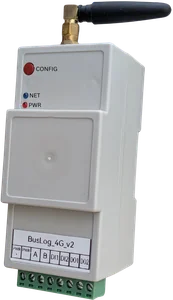
- 4G telemetry gateway
- Cloud server or dashboard
- Reports and alerts
- Local storage for network failure periods
SilTech Flow Telemetry 4G and BusLog 4G are used for these kinds of water and groundwater telemetry applications.
Manual reading vs telemetry
| Factor | Manual reading | Flow meter telemetry |
|---|---|---|
| Frequency | Daily/weekly/monthly | Every few seconds/minutes/hourly |
| Human effort | High | Low after setup |
| Error risk | Manual entry errors possible | Lower, if meter mapping is verified |
| Timestamp accuracy | Depends on operator | Automatic timestamping |
| Historical trends | Hard to analyze | Available in dashboard |
| Alerts | Not available in real time | Automatic alerts possible |
| Data gaps | Common if reading is missed | Reduced with local storage |
| Compliance reports | Manual preparation | Exportable reports |
| Remote access | Not available | Available from anywhere |
| Tamper/power visibility | Limited | Can be monitored |
Telemetry does not remove the need for site maintenance, but it reduces dependence on manual logs for primary data.
Why industries switch to telemetry
1. Continuous visibility
Manual readings show only one point in time. Telemetry shows the full pattern: when flow started, when it stopped, peak flow periods, and abnormal events.
This is useful for:
- Borewell extraction tracking
- STP/ETP flow reports
- Pump performance monitoring
- Water balance studies
- Utility cost allocation
2. Faster fault detection
With manual readings, a zero-flow problem may be found only during the next round. With telemetry, the system can alert immediately.
Examples:
- Pump ON but no flow
- Flow meter communication failure
- Gateway offline
- Sudden high flow
- Unexpected flow during shutdown
3. Better reporting
Telemetry dashboards can generate daily and monthly summaries automatically. This reduces manual spreadsheet work and improves traceability.
For compliance use cases, this is especially useful because reports need timestamps, meter identity, and historical records.
4. Lower human error
Manual entries can be missed, rounded, duplicated, or entered against the wrong meter. Telemetry reads directly from the meter and stores the data automatically.
The system still needs correct commissioning, especially Modbus register validation. But once configured, it is more consistent than manual logging.
5. Multi-site management
A company with multiple borewells, plants, or buildings cannot depend on separate paper registers at every site. Telemetry gives a central view.
Managers can compare:
- Site-wise water usage
- Borewell-wise extraction
- Daily trends
- Runtime patterns
- Offline devices
- Abnormal flow events
Where manual reading still helps
Manual readings are not useless. They can still be helpful as a secondary verification method.
Use manual checks for:
- Monthly physical audit
- Meter display verification
- Calibration checks
- Site inspection records
- Troubleshooting after abnormal alerts
The best system is not “manual vs telemetry” in isolation. It is telemetry as the primary data system, with manual checks as periodic validation.
What to check before switching
Before implementing telemetry, confirm:
- Flow meter supports Modbus RTU or another reliable digital output.
- Meter totalizer registers are available.
- 4G signal is available at the panel.
- Power supply is stable.
- Gateway supports local storage.
- Dashboard can export reports.
- Alerts can be assigned to maintenance users.
- Site and meter names are clearly defined.
- Commissioning compares dashboard values with physical display.
- Reports meet the site’s compliance or internal requirement.
For a telemetry device selection checklist, read How to Choose a Telemetry Device for Borewell and Groundwater Monitoring.
Cost comparison: hidden cost of manual readings
Manual reading may seem cheaper because there is no device cost beyond the meter. But hidden costs add up:
- Operator time
- Supervisor verification
- Spreadsheet preparation
- Missed readings
- Delayed fault detection
- Compliance risk
- Site visits for checking old records
- No real-time alerts
Telemetry has an upfront device and setup cost, but it reduces recurring manual work and gives better operational visibility.
Recommended telemetry design
For industrial water monitoring, use:
- Digital flow meter with Modbus RS485
- 4G telemetry gateway
- Local data storage
- Cloud dashboard
- Alerts for no data, zero flow, high flow, and communication loss
- Daily/monthly reports
- Clear site and meter IDs
For CGWA-style applications, also read CGWA Groundwater Telemetry Requirements: Complete Guide for Industries.
Final advice
Manual water meter reading is slow, limited, and difficult to audit at scale. Flow meter telemetry gives continuous data, faster alerts, cleaner reports, and better visibility across sites. For industries where water data affects compliance, cost, or operations, telemetry is becoming the practical standard.